A Guide to Dental Implant Aftercare – Post Op Instructions
You have just made a wonderful investment in your smile with a dental implant. This procedure is the gold standard for replacing missing teeth, offering a permanent and natural-looking solution. Now that the surgery is complete, your journey toward a fully restored smile continues at home. At Valley Dental Care, we want to ensure your recovery is as smooth and comfortable as possible.
Following post-operative instructions is the most important thing you can do to promote healing, prevent complications, and achieve the best long-term outcome. This guide breaks down everything you need to know, from managing swelling to what you can eat. Think of this as your personal roadmap to a successful recovery.

For the Remainder of the Day: The Golden Rules
The first day after your surgery is the most critical period for healing. Your body is working hard to form a blood clot in the surgical area, which protects the site and is the foundation for healing. To protect this clot, please follow these rules for the rest of the day:
- Do not spit. If you feel the need to clear your mouth, gently wipe it with a tissue or simply swallow your saliva. Spitting creates pressure that can dislodge the clot.
- Do not use a drinking straw. The suction from using a straw is a major cause of clot dislodgement. Drink all liquids straight from a cup.
- Do not smoke. Smoking not only involves suction but also introduces harmful chemicals that can significantly delay healing and increase your risk of infection.
- Keep hands and tongue away. It’s natural to be curious, but avoid touching or poking the surgical site with your fingers or tongue.
Managing Bleeding and Swelling
It is normal to experience some minor bleeding and swelling after your procedure.
- Bleeding: Expect some minor bleeding or oozing for a few hours after surgery. We will have placed gauze on the surgical site. Continue to bite down with firm, steady pressure for about 30–45 minutes. If bleeding continues, you can replace the gauze, but constant pressure is key. The bleeding should stop within an hour or two. If it does not, please call our office.
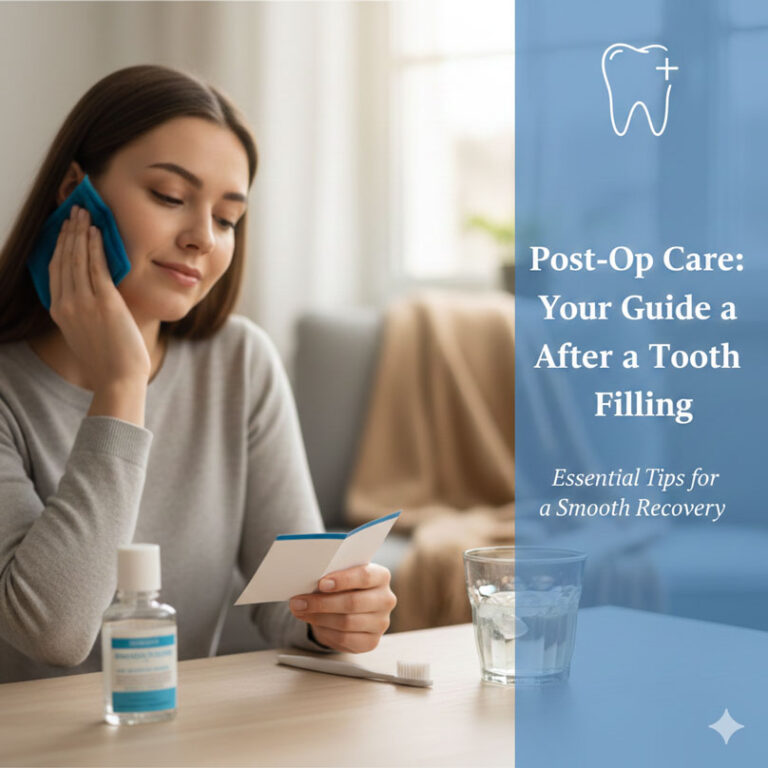
- Swelling: Swelling is your body’s natural response. It varies for every patient and may increase for the first 24–48 hours before it begins to subside. You might also notice some bruising on your face. This is all part of the normal healing process and can last for several days. Applying a cold pack to your cheek for 20 minutes on, 20 minutes off, can help manage swelling in the first 24 hours.
Your Post-Surgery Diet
Once the local anesthetic has worn off, you can start eating. Stick with soft, non-abrasive foods that require little chewing. Good options include:
- Mashed potatoes
- Pasta
- Cottage cheese
- Soups (lukewarm, not hot)
- Scrambled eggs
You can return to your regular diet as soon as you feel comfortable, but try to avoid chewing directly on the implant site until it has had more time to heal.
Oral Hygiene and Sutures
Keeping your mouth clean is vital for preventing infection, but you must be gentle.
- Rinsing: You can start rinsing your mouth very gently the day after your surgery. Mix one teaspoon of salt into eight ounces of warm water and let the solution gently flow over the area.
- Brushing: You can brush your other teeth as you normally would, but be extremely careful and avoid the surgical site for the first few days.
- Sutures: We typically use dissolvable sutures that will fall out on their own. This usually happens within 4 to 10 days after your surgery, so don’t be alarmed when you notice them.
Common Questions After Implant Surgery
What if I notice gritty material in my mouth?
If your surgeon placed bone graft material, it is common to notice some small, sand-like particles in your mouth. This is normal and should stop within a day or two.
Will I be able to see the implant?
This depends on your specific case. Sometimes, the implant is placed completely under the gum tissue to heal. You will return later for a second minor procedure to expose it. In other cases where stability is excellent, an attachment is placed that will be visible above the gumline, eliminating the need for a second surgery.
When will I get my new tooth (crown)?
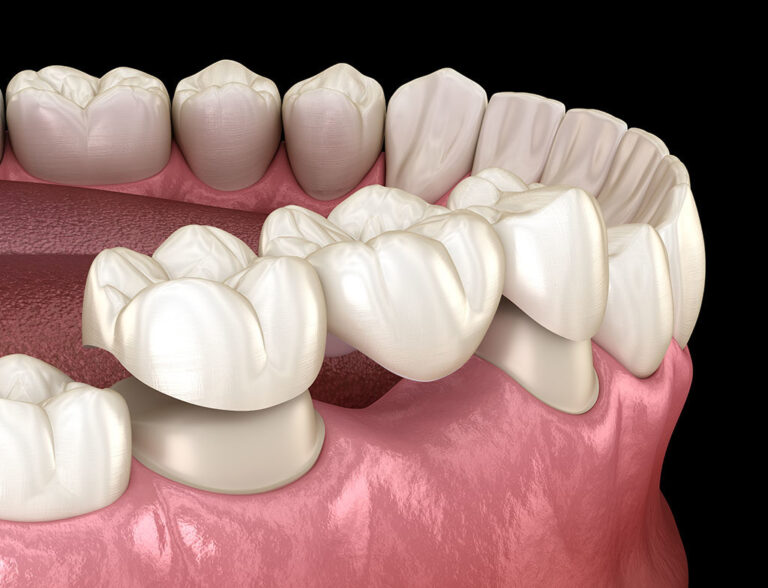
The crown can be placed once the implant has fully fused with your jawbone, a process called osseointegration. This healing period varies based on your bone quality and the implant’s stability. Your surgeon will discuss your specific timeline with you.
Medications and Activity
- Pain Medicine: It is best to take your prescribed pain medication on a regular schedule (e.g., every 4–6 hours) for the first 24 hours to stay ahead of discomfort. Remember that narcotics cause drowsiness, so do not drive, swim, or drink alcohol while taking them. You can switch to over-the-counter options like Tylenol or ibuprofen as the pain subsides.
- Antibiotics: If you were prescribed antibiotics, please take them as directed and finish the entire course to prevent infection.
- Activity: Take it easy at first. Once you are no longer taking narcotic pain medication, you can slowly return to your normal routine as you feel up to it. Avoid strenuous exercise for several days.
We Are Here to Help
Following these instructions will help you heal quickly and comfortably. At Valley Dental Care, we are your partners in this journey. If you have any questions or concerns during your recovery, please do not hesitate to reach out.
During business hours, please call our office. For after-hours concerns, call our main number, and we will get back to you as soon as possible.