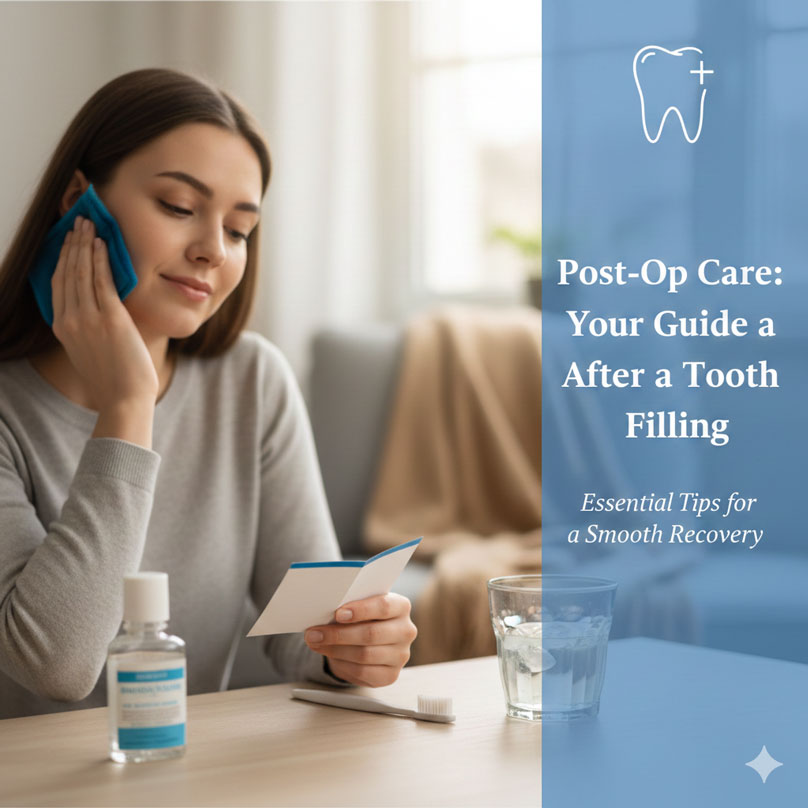
Post-Op Care: Your Guide After a Tooth Filling
First off, congratulations! Getting a filling is a smart, proactive step for your oral health. By treating decay early, you are protecting your smile and preventing more serious issues down the road. Now that your appointment at Valley Dental Care is complete, the hard part is over. But to ensure your tooth heals perfectly and feels great, there are a few simple things you need to know about the next few days.
We know that leaving the dental chair can sometimes feel a bit disorienting, especially if your mouth is still numb. You might have questions like: Can I eat right away? Why does my tooth feel sensitive? Is this normal?
To help you feel confident during your recovery, we have put together this easy-to-read guide on what to expect after your composite (tooth-colored) filling.
The First Few Hours: Navigating the Numbness
The most immediate sensation—or lack thereof—you will notice is numbness. If your dentist used a local anesthetic during your procedure, your lips, tongue, and cheeks might feel “asleep,” heavy, or swollen for several hours. This is completely normal, but it requires some caution.
Because you cannot feel these soft tissues, it is surprisingly easy to accidentally bite your cheek, lip, or tongue while talking or chewing. These bites can sometimes cause significant swelling or painful ulcers that last for days.
Eating and Drinking Safely
- Wait to Chew: We strongly recommend that you avoid eating solid foods until the anesthetic has completely worn off and you have full feeling back in your mouth. This is the single best way to prevent accidental soft tissue damage.
- Watch the Temperature: Be very careful with hot beverages like coffee, tea, or soup while you are numb. You could burn your mouth without realizing it until the feeling returns later.
- Ready to Eat: One of the fantastic benefits of modern composite fillings is that they are fully set and hardened by the time you leave our office. Once the numbness is gone, you can chew on your new filling immediately!
Important Note for Parents
If your child received a filling today, please keep a close eye on them until the numbness fades. The strange, tingling sensation can be confusing or even funny to children. Many kids will unknowingly chew on their numb lips or cheeks, which can cause serious damage and sores. Distracting them with a movie or game is a great strategy until the sensation returns to normal.
Managing Sensitivity and Discomfort
It is very common to experience some sensitivity to cold, heat, pressure, or sweet foods for a few days to a few weeks following a dental restoration.
Why Does It Hurt?
You might wonder why a procedure meant to fix your tooth causes temporary sensitivity. Usually, the deeper the cavity was, the more sensitive the tooth will be after the procedure. The nerve inside your tooth has been irritated by the decay and the work required to remove it. Think of it like a bruised knee—it needs a little time to heal and calm down.
Simple Steps for Relief
- Over-the-Counter Medication: Simple anti-inflammatory medications like Ibuprofen (Motrin™, Advil™), Tylenol™, or aspirin work very well to alleviate tenderness.
- Gum Soreness: The gum tissue near the filling might be irritated from the procedure, or the injection site may feel bruised. This soreness is typically mild and fades within a few days.
- Avoid Triggers: If cold water hurts, skip the ice for a few days. If hot coffee bothers you, let it cool down first.
If your sensitivity persists beyond a few days or seems to be increasing rather than decreasing, please contact our office. We want to ensure everything is healing correctly.
Watching Your Diet and Habits
Once the feeling comes back, you are free to eat, but you should still treat your new filling with care. Think of your tooth as recovering from a minor surgery.
As with your natural teeth, avoid chewing excessively hard foods directly on the filled tooth. Items like hard candy, ice, or unpopped popcorn kernels can act like little hammers against enamel and fillings alike. While composite material is strong and durable, excessive force can still damage the restoration or your natural tooth structure.
The “Feel” of Your New Bite
When we place a filling, we carefully shape and polish it to match your natural tooth anatomy. However, because you are numb when we check your bite, it is sometimes hard to tell if it is perfect.
Once the anesthesia wears off, pay close attention to how your teeth come together.
- Does it feel like you are hitting the new filling first when you close your mouth?
- Does chewing feel “off,” sore, or strange in that area?
- Do you have to shift your jaw to make your teeth fit together?
If your bite feels uneven or not correctly balanced, please call us for a quick appointment. A “high” filling will not fix itself. In fact, chewing on a high filling can bruise the ligament around the tooth, causing it to become very painful. A simple adjustment takes just a few minutes and provides instant relief.
Adjusting to the Texture
You might also notice that your new restoration feels slightly different to your tongue. It may have a different smoothness or contour than your original tooth structure. Don’t worry—your tongue is incredibly sensitive and magnifies even the tiniest differences. In most cases, you will become accustomed to this new feeling within a few days, and you won’t even notice it anymore.
When to Contact Valley Dental Care
We are here to support you even after you leave the chair. Please do not hesitate to call the office if:
- Your bite feels uneven or “high.”
- You have persistent pain that isn’t helped by over-the-counter medication.
- You have any other questions or concerns about your recovery.
Your comfort is our priority. By following these simple instructions, you can ensure your new filling lasts for years to come. Thank you for trusting Valley Dental Care with your smile!