Caring for Your New Smile: Aftercare for Crowns and Bridges
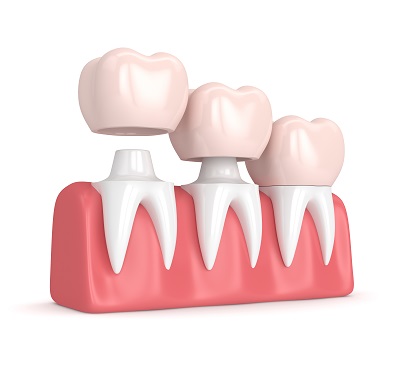
Getting a dental crown or bridge is a big step toward restoring your smile’s function and appearance. Now that you’ve had the procedure, the next few days are crucial for healing and ensuring the longevity of your restoration. Whether you are currently wearing a temporary restoration or have just received your permanent one, how you care for your mouth right now matters.
At Valley Dental Care, we want your recovery to be smooth and comfortable. This guide covers everything you need to know about navigating the days following your appointment, from managing numbness to choosing the right foods.
Immediate Post-Op: The First Few Hours
The first thing you will notice after leaving our office is likely the lingering effect of the local anesthesia. Your tongue, lips, and the roof of your mouth may feel numb for several hours. This is completely normal, but it requires some caution.
You must refrain from eating or drinking hot beverages until this numbness has completely worn off. When you cannot feel your mouth, it is all too easy to accidentally bite your cheek, tongue, or lip, causing significant injury. You might also burn your mouth on hot coffee or soup without realizing it until the feeling returns. Stick to room-temperature water if you are thirsty, and wait for the sensation to return fully before having a meal.
Navigating Life with a Temporary Restoration
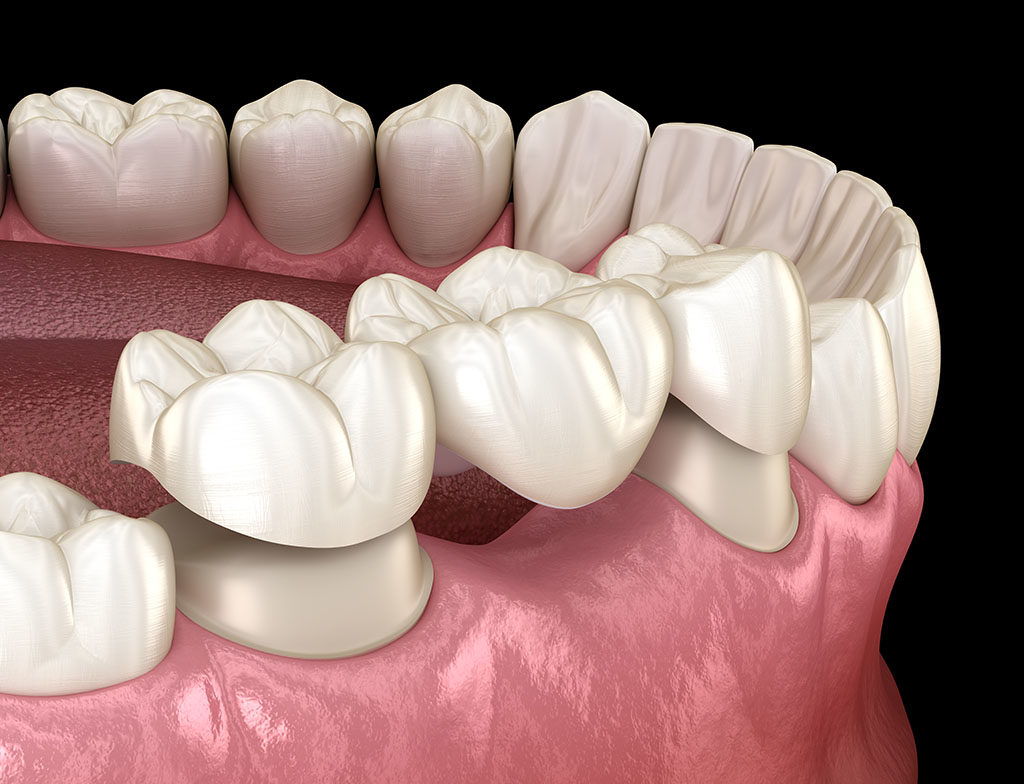
In many cases, temporary crowns or bridges are placed to protect your teeth while your custom restoration is being crafted in the lab. These temporaries are vital placeholders. They protect the prepared tooth structure and prevent the surrounding teeth from shifting. If your teeth shift even a tiny amount, the final permanent crown might not fit correctly.
Because they are temporary, they are not attached as firmly as your final restoration will be. This means you need to treat them with a bit of extra care.
Eating with a Temporary Crown
For the first 24 hours after your appointment, you should consume soft foods only. The cement needs time to set, and your tooth may be sensitive. Even after the first day, you must be strategic about your diet while wearing a temporary.
Avoid hard, crunchy foods like nuts, chips, or hard candies. These can crack the temporary material. Equally dangerous are sticky foods like caramel, taffy, or chewing gum. Sticky textures can grab onto the temporary crown and pull it right off the tooth.
Safe Foods to Enjoy:
Need inspiration for your grocery list? Here are excellent, safe options that won’t endanger your restoration:
- Jell-O and Pudding: Easy to eat and come in many flavors.
- Apple Sauce: A healthy snack that requires no chewing.
- Greek Yogurt: High in protein and very smooth.
- Scrambled Eggs: Soft, nutritious, and filling.
- Mashed Potatoes: A classic comfort food that is safe for dental work.
- Oatmeal: Let it cool slightly before eating.
- Cooled Soup: Great for nutrients, but avoid chunky broths with hard vegetables.
- Macaroni & Cheese: Soft pasta is usually safe if chewed carefully.
- Ice Cream: A nice treat that can also soothe inflammation.
- Finely Chopped Chicken or Ground Beef: You still need protein, but ensure the meat is not tough or chewy.
How to Chew Safely
If you have temporary crowns on your front teeth, your biting habits need to change temporarily. Do not bite directly into foods like apples, corn on the cob, or sandwiches. The force of biting down and pulling away can dislodge the restoration.
Instead, cut your food into small, bite-sized pieces. Place these pieces in the back of your mouth and chew carefully with your back teeth. This reduces the pressure on the temporary restoration and keeps it secure.
Oral Hygiene: Brushing and Flossing
Keeping your mouth clean is essential for healing, but you need to adjust your technique slightly around the temporary crown. It is important to brush regularly to keep bacteria away from the gum line, but be gentle.
Flossing requires a specific technique during this interim period. You should floss carefully to remove debris, but do not pull the floss back up between the teeth as you normally would. Pulling up can catch the edge of the temporary crown and pop it off.
The Correct Flossing Technique:
- Gently work the floss down between the teeth.
- Clean the area near the gum line.
- Release one end of the floss and pull it through the side near the gum line to remove it.
Managing Sensitivity and Discomfort
It is normal to experience some temperature and pressure sensitivity after your appointment. Your tooth has undergone a procedure, and the nerve inside may be slightly agitated. This sensitivity is usually temporary and should subside a few weeks after the placement of the final restoration.
If you are feeling soreness in the gum tissue around the tooth, or if the jaw is achy from keeping your mouth open, over-the-counter pain medication can help. Ibuprofen (Advil or Motrin) is often effective for dental pain because it also helps reduce inflammation. Tylenol is another option if you cannot take ibuprofen.
Saltwater Rinses for Gum Health
Should the gums around the temporary crown become sensitive or irritated, a warm saltwater rinse can be very soothing. It helps clean the area and reduces tissue swelling.
- Recipe: Mix ½ teaspoon of salt into ½ cup of warm water.
- Instructions: Swish gently for 30 seconds and spit. Repeat this 4 times a day until the gum tenderness improves.
What if the Temporary Comes Off?
Despite your best efforts, a temporary crown or bridge may occasionally come loose or break. Do not panic, but do not ignore it. Your temporary plays an important role in protecting your tooth and holding the space for your permanent crown or bridge. Without it, the tooth can become very sensitive to air and temperature, and the adjacent teeth might drift.
If your temporary falls off or becomes damaged, please contact our office immediately. We will be happy to recement or repair it for you. Do not try to glue it back in yourself with household superglue, as this is toxic and can damage the tooth. If you cannot get to the office immediately, you can find temporary dental cement at most pharmacies to hold it in place until your appointment.
When to Call the Doctor
While some discomfort is expected, severe pain is not. If your pain gets progressively worse rather than better, or if it is causing more than mild discomfort that medication can’t control, please get in touch with the office. We want to ensure that there are no complications and that you remain comfortable throughout the process.
By following these guidelines, you protect your investment and ensure your final smile is as healthy and beautiful as possible.