Your Essential Guide to Root Canal Aftercare
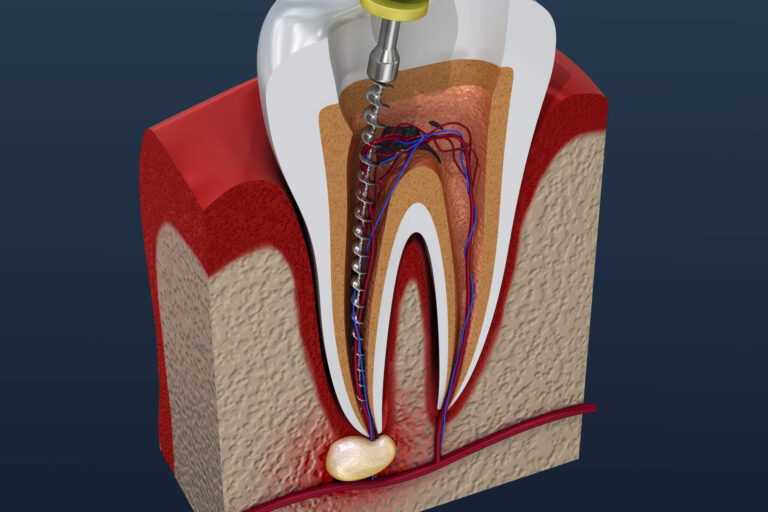
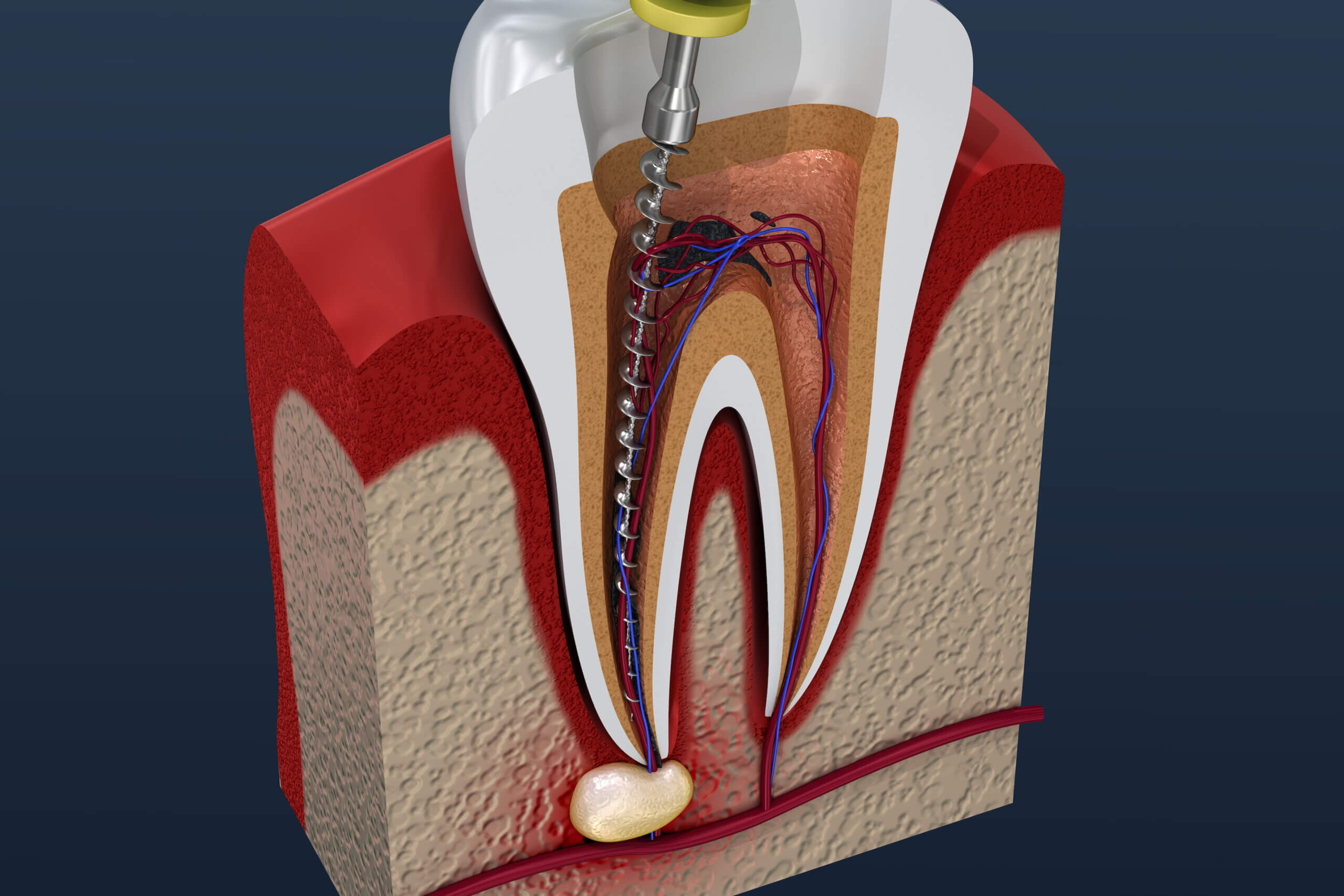
Congratulations on taking a crucial step to protect your oral health. Having a root canal is a highly effective way to save a damaged or infected tooth. It relieves severe dental pain and restores your mouth to a healthy state. However, a successful procedure does not end the moment you leave the dental chair.
Root canal therapy typically requires one to two appointments to finish. Between these visits and after your final treatment, your at-home care plays a massive role in your recovery. Knowing how to care for your mouth helps prevent complications and keeps you comfortable.
At Valley Dental Care, we want you to feel confident about your recovery process. We put together this simple guide to outline your post-operative instructions. Read on to learn exactly what to expect, how to manage your symptoms, and how to protect your restored smile.
Managing Numbness Safely
During your procedure, we use a local anesthetic to ensure you feel absolutely no pain. Because of this medication, your lips, teeth, and tongue will remain completely numb for several hours after you leave our office.
This lingering numbness is entirely normal, but it does require some caution. When your mouth is numb, you lose your ability to feel temperature and pressure accurately. Because of this, you must avoid chewing on the side of the treated tooth until the numbness wears off entirely.
If you try to eat while numb, you can easily bite your tongue, lips, or the inside of your cheek without realizing it. We also strongly recommend avoiding hot beverages like coffee or tea during this time to prevent accidental burns to your mouth.
Caring for Your Temporary Filling or Crown
If your treatment takes two appointments, we will place a temporary filling or a temporary crown over the treated tooth. This temporary barrier protects the delicate internal structure of your tooth while you wait for your next visit.
Because these materials are temporary, it is very common for a small portion of the filling or crown to wear away or slightly break off. This minor wear is not a problem. However, if the entire temporary filling falls out or the temporary crown comes completely off, please call Valley Dental Care right away so we can replace it.
How to Protect Your Temporary Restoration
To keep your temporary dental work securely in place, you need to adjust your diet slightly. Follow these simple rules:
- Skip sticky foods: Avoid chewing gum, caramel, taffy, or anything that could pull the temporary crown off your tooth.
- Avoid hard items: Do not bite down on hard foods like ice, nuts, or hard candy. You must also avoid chewing on hard substances like fingernails or pencils.
- Chew carefully: Whenever possible, chew your food entirely on the opposite side of your mouth.
Handling Normal Discomfort
You just had a significant dental procedure, so it is normal to experience some mild discomfort for a few days. The tissues surrounding your tooth need a little time to heal and settle down.
You might notice that the treated tooth feels tender or exhibits a dull ache, especially when you apply pressure by chewing. Even if you were not in pain before your treatment, you should expect some degree of tenderness for a few days afterward. This mild soreness is no cause for alarm and should slowly subside within a few days to a couple of weeks.
Pain Management and Medications
To control this discomfort, take pain medication exactly as recommended by your dentist. If we prescribed antibiotics for an active infection, you must take them for the entire indicated length of time. Do not stop early, even if all signs of infection are gone.
If you are relying on over-the-counter options, we recommend ibuprofen (Motrin, Advil) or naproxen (Aleve). These work incredibly well to reduce dental inflammation.
To further reduce pain and swelling, rinse your mouth three times a day with warm salt water. Simply dissolve one teaspoon of salt into a cup of warm water. Gently swish the liquid around your mouth and spit it out. Remember to continue brushing and flossing your other teeth normally to keep your mouth clean.
The Importance of Follow-Up Care
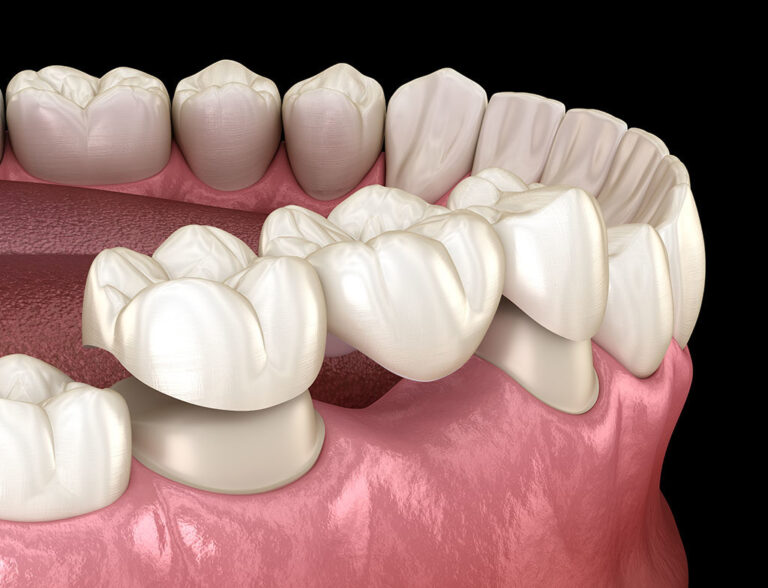
The final step of your root canal treatment is usually the placement of a permanent crown. A root canal removes the internal blood supply of the tooth, which can make the remaining enamel brittle over time. A custom crown covers the tooth entirely, protecting it from breaking in the future.
Unless your dentist specifically notes otherwise, it is critical to have a permanent crown placed on your treated tooth as soon as possible. Delaying this final restoration puts your tooth at serious risk. Without a crown, the tooth can easily fracture, which often results in the complete loss of the tooth.
When to Contact Valley Dental Care
Your health and comfort are our top priorities. While mild tenderness is expected, certain symptoms mean you should reach out to us right away.
Please call our office if you experience:
- Discomfort that cannot be controlled with your pain medications.
- Visible swelling in your gums, jaw, or face.
- An uneven bite, where the treated tooth feels “high” when you close your mouth.
- Persistent pain that worsens instead of improving.
If you have any questions, concerns, or need to schedule your final crown placement, we are always here to help. Contact Valley Dental Care today, and let us ensure your recovery is completely smooth!